

Elephant’s Trunk Nebula (IC 1396A) with the Seestar S50 Pro | 300 × 60-Second Exposures
Started by moonbeam on 8/30/2026 8:16:17 AM CST
| moonbeam | |
|
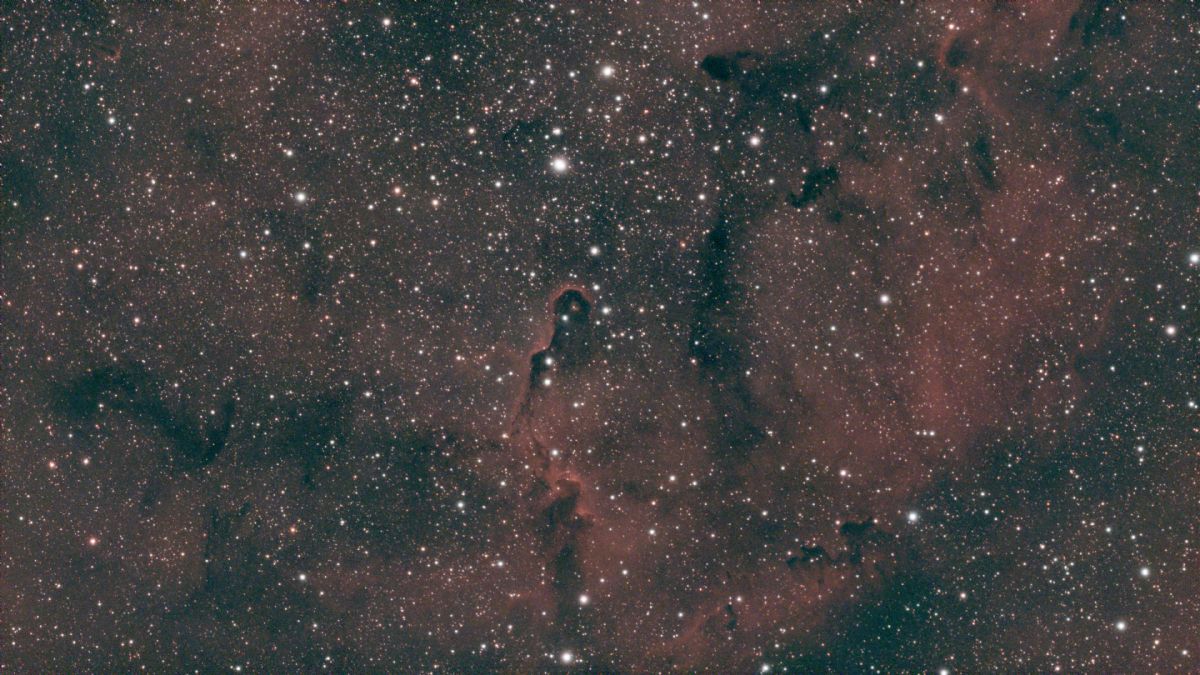
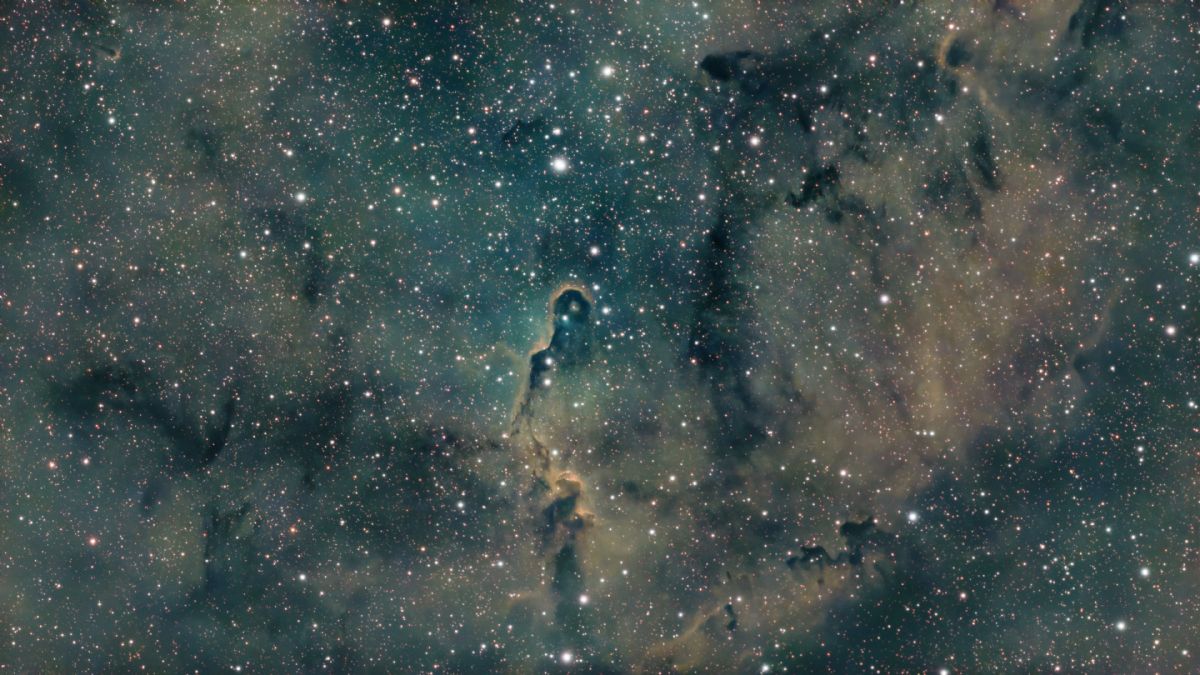
Joined 6/24/2024 Loc: Mo, USA | Posted 8/30/2026 8:16:17 AM CSTElephant’s Trunk Nebula (IC 1396A) with the Seestar S50 Pro | 300 × 60-Second ExposuresAnother night out with the Seestar S50 Pro, this time pointed at the Elephant’s Trunk Nebula, IC 1396A, embedded within the much larger IC 1396 emission nebula and young star-forming complex in Cepheus. The Elephant’s Trunk is an elongated concentration of dense interstellar gas and dust being sculpted and compressed by intense ultraviolet radiation and stellar winds from nearby massive stars. It’s also an active stellar nursery, with young stars and protostars forming inside the dense material. NASA places the region at roughly 2,450 light-years from Earth. citeturn0search0turn0search3 For this run I shot: Seestar S50 Pro And, for the record, out of the entire 300-frame run, the S50 Pro rejected only three frames. That means it successfully kept 297 of 300 one-minute exposures, which I think is worth pointing out for a little 50 mm automated smart telescope. I’ve included two versions so you can see what the S50 Pro is producing at different stages of the process. Version 1: All Seestar RAW data, showing the data essentially as captured. Version 2: The same S50 Pro data stacked in Seestar, exported as RAW, then taken into PixInsight and Photoshop for additional processing. There’s no data here from another telescope, camera or imaging rig. Both images are entirely from the Seestar S50 Pro. IC 1396A is a particularly fun target for testing a small imaging system because there’s a lot going on. You have bright emission, faint nebulosity, dense dark dust, stars embedded throughout the field and the sharp boundary of the trunk itself. The dark structures we see are actually some of the densest portions of the molecular cloud, with stellar radiation eroding away the surrounding material while those denser regions hang on. Five hours of one-minute subs, 297 out of 300 accepted, from a 50 mm smart telescope. I continue to be pretty amazed by what this little thing is capable of. One scientific naming note: IC 1396A is the most precise designation for the Elephant’s Trunk itself. IC 1396 refers to the much larger surrounding emission-nebula/star-forming complex. NASA also notes the Elephant’s Trunk as IC 1396A, while vdB 142 is another designation commonly associated with the feature.
Explorer of the cosmos, one photon at a time. I capture the universe with a collection of about 12 telescopes, including the SCA310, Astro-Physics 155 EDF Starfire, TEC 180FL, and Takahashi Epsilon 160ED, and my beloved FSQ-106EDX4. Paired with advanced imaging systems - including the medium-format ZWO ASI461MM and ASI6200MM Pro with Chroma filters - these precision instruments help me reveal the faint structures, rich colors, and extraordinary detail hidden in the night sky. |
| moonbeam | |
Joined 6/24/2024 Loc: Mo, USA | Posted 8/30/2026 8:27:59 AM CST
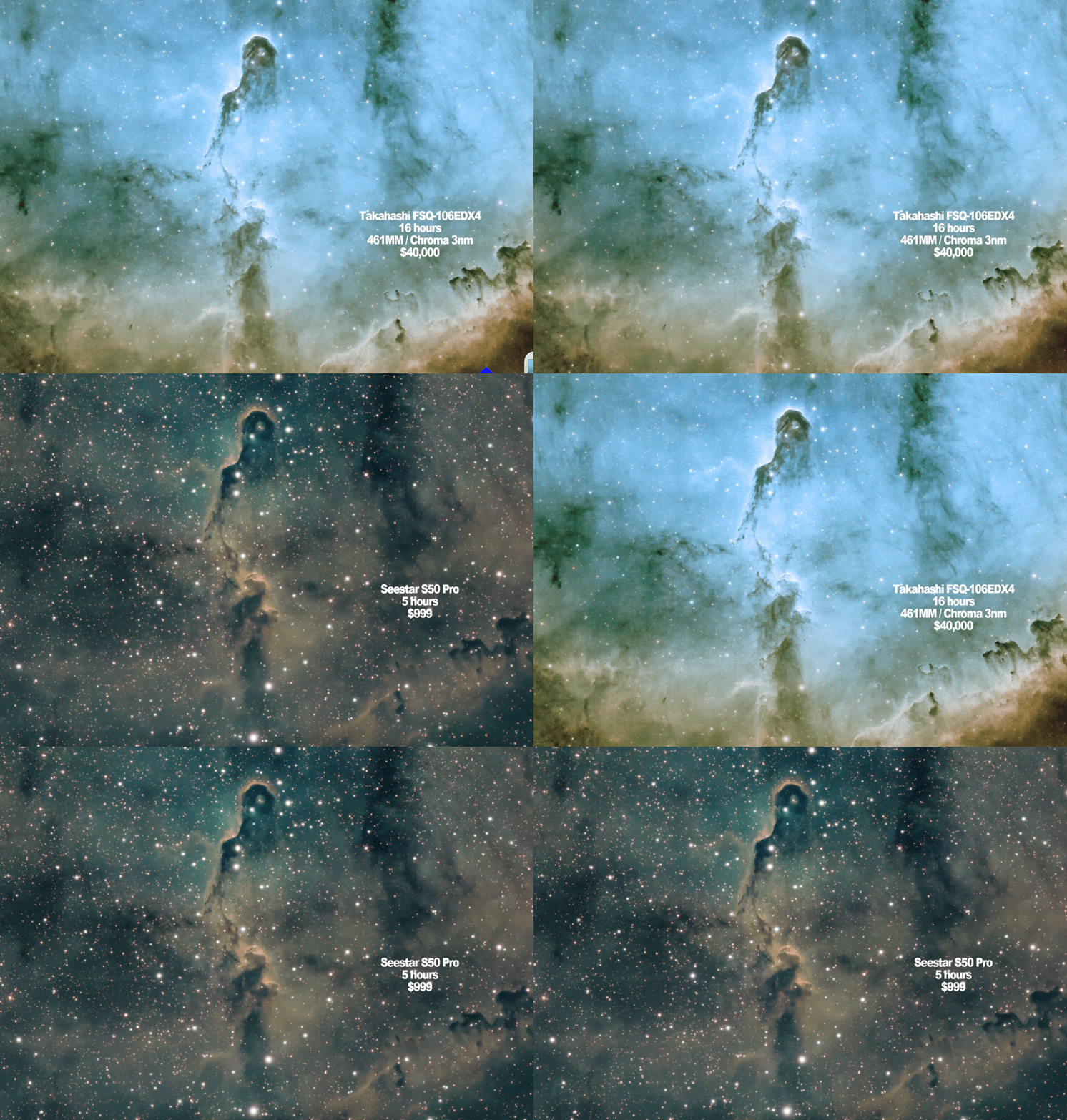
Another fun comparision to a $40,000 setup Takahashi FSQ-106EDX4 telescope Takahashi .7 reducer ZWO 461MM medium format camera, with 3nm Chroma NB + RGBL filters AM7 mount ASI Air 290 guider / 50mm Williams optics guide scope VS S50 Pro
Explorer of the cosmos, one photon at a time. I capture the universe with a collection of about 12 telescopes, including the SCA310, Astro-Physics 155 EDF Starfire, TEC 180FL, and Takahashi Epsilon 160ED, and my beloved FSQ-106EDX4. Paired with advanced imaging systems - including the medium-format ZWO ASI461MM and ASI6200MM Pro with Chroma filters - these precision instruments help me reveal the faint structures, rich colors, and extraordinary detail hidden in the night sky. |
| moonbeam | |
Joined 6/24/2024 Loc: Mo, USA | Posted 8/30/2026 8:34:29 AM CST
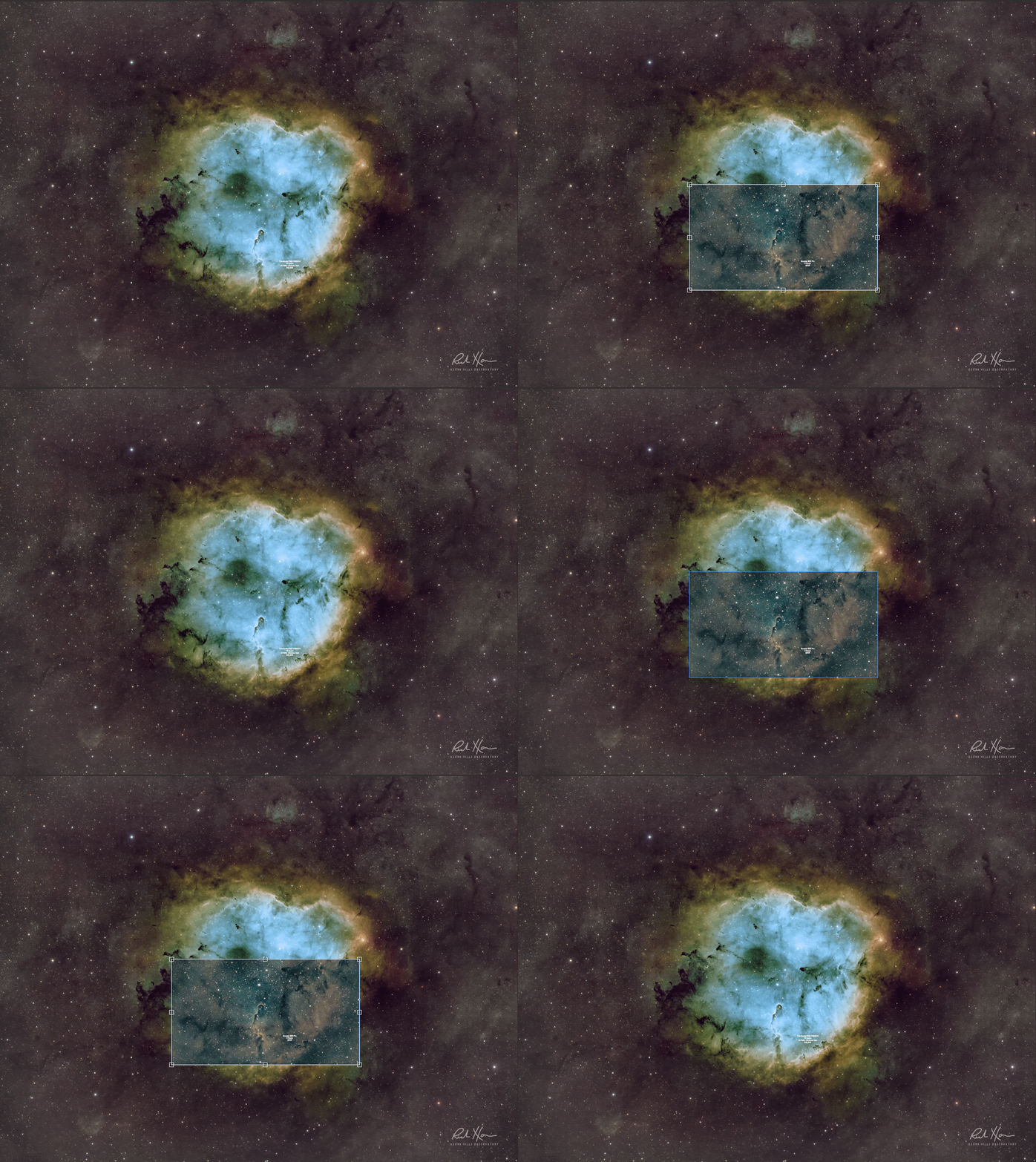
Just for grins and giggles, the actual frame of a Medium format camera (ZWO 461MM) compared to the side of the Omnnivision 1/1.2 in 2.9 μm (8.3 MP) sensor
Explorer of the cosmos, one photon at a time. I capture the universe with a collection of about 12 telescopes, including the SCA310, Astro-Physics 155 EDF Starfire, TEC 180FL, and Takahashi Epsilon 160ED, and my beloved FSQ-106EDX4. Paired with advanced imaging systems - including the medium-format ZWO ASI461MM and ASI6200MM Pro with Chroma filters - these precision instruments help me reveal the faint structures, rich colors, and extraordinary detail hidden in the night sky. |
Please log in to reply →
Need an account?

Recent Topics
Featured Stories

New Space Capitalism: An argument for capitalism in the new frontier
Monday, June 22, 2026
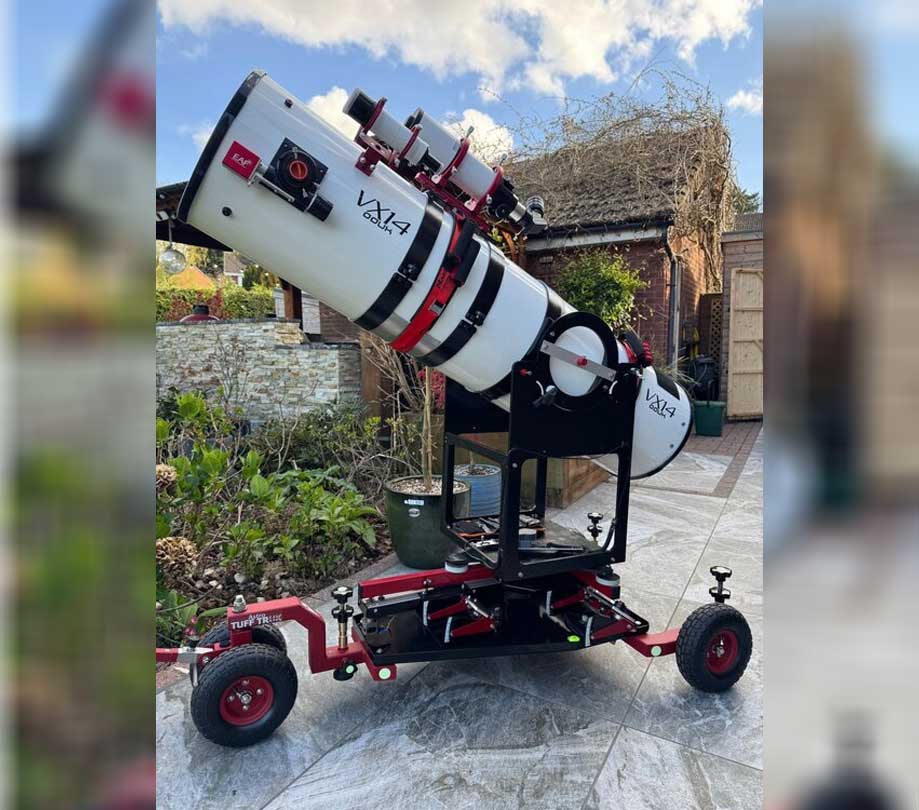
How to make your large dobsonian portable
Monday, May 11, 2026
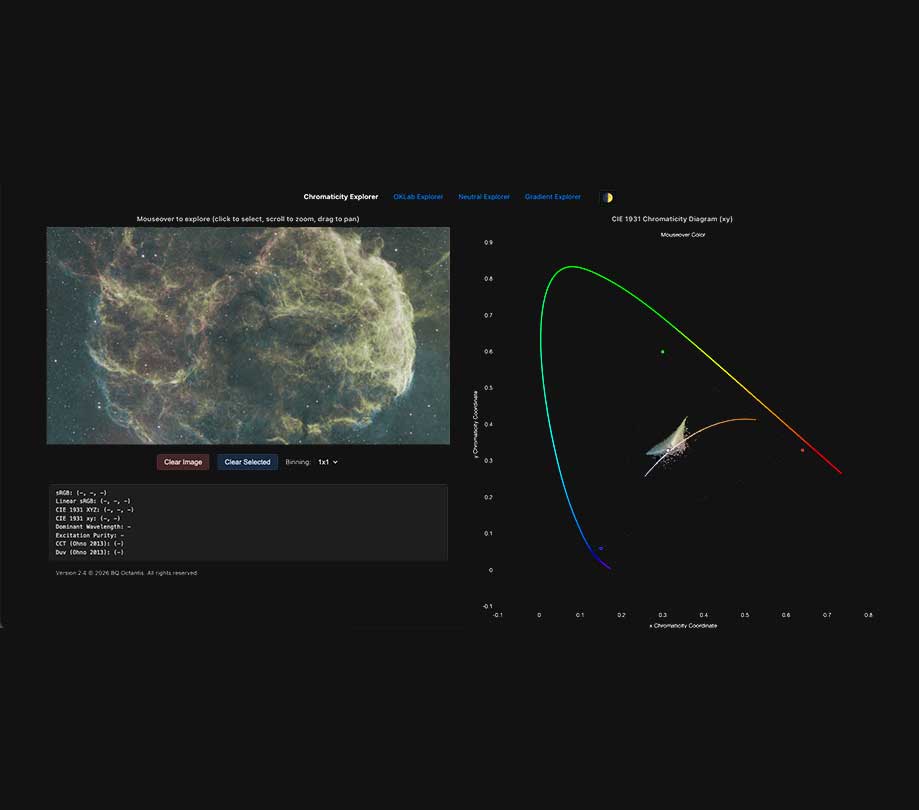
Seeing color clearly with color science tools
Thursday, March 26, 2026
_uo0fbvpz.jpg "Galaxies previously unseen discovered with help from physicist")
Galaxies previously unseen discovered with help from physicist
Tuesday, March 24, 2026
ASCOM Platform 7.1 Update 2 Released
Tuesday, February 10, 2026
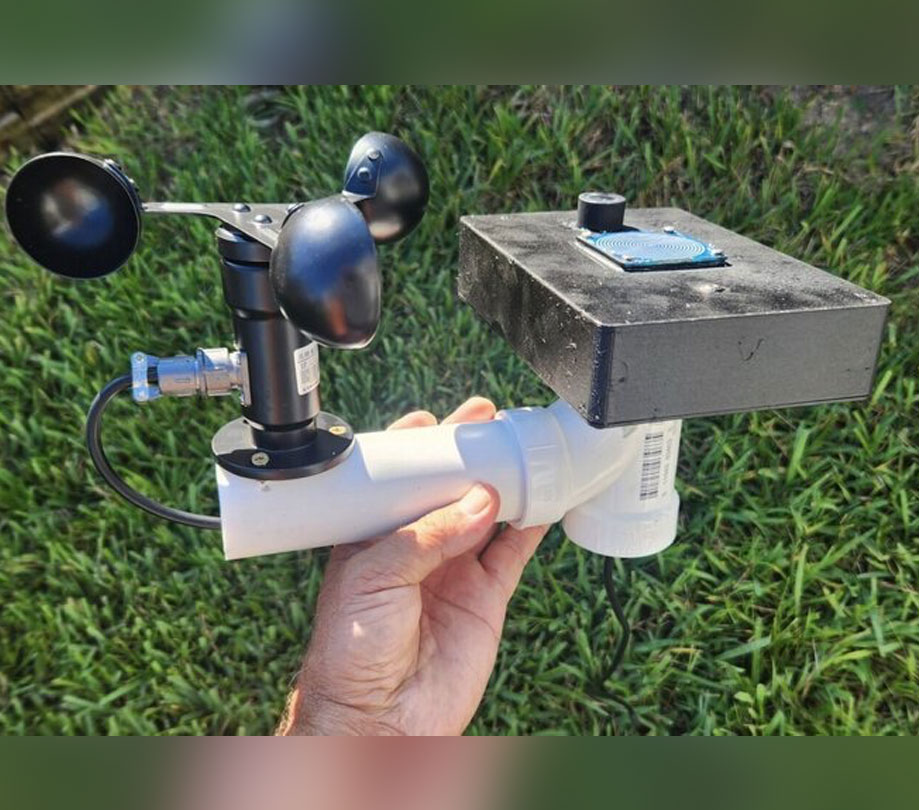
Astro Weather Station by Astro-Smart launches
Thursday, February 5, 2026
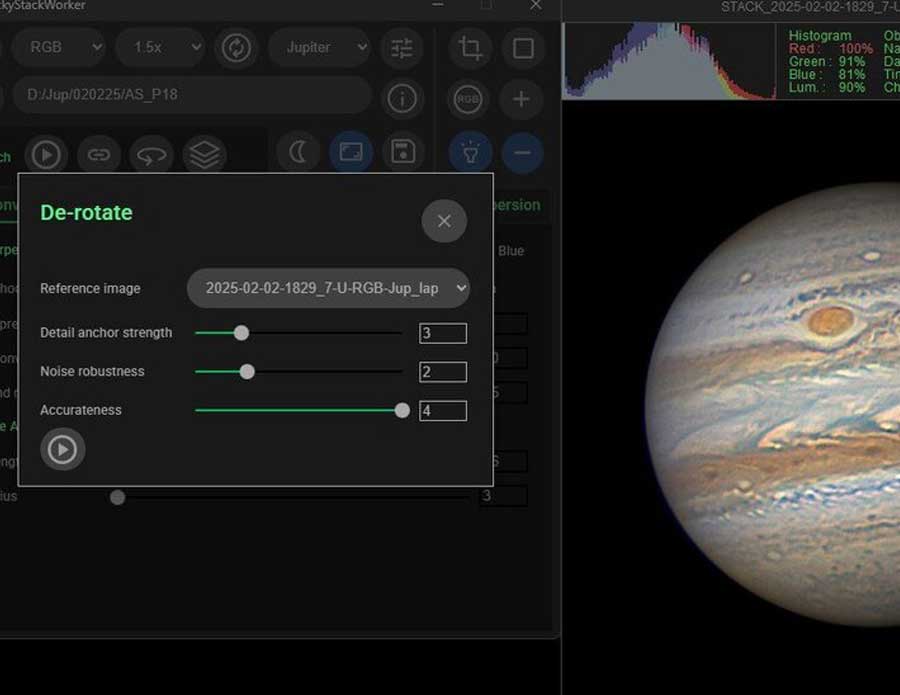
Planet and moon image stacking gets easier with LuckyStackWorker 7
Wednesday, January 14, 2026
Stay Updated
Sign up for our newsletter for the headlines delivered to youSuccessFull SignUp
|